
Availability and capacity
Separate the capacity needed for a normal day from capacity needed after losing a zone. Use request rates, dependency limits and the failure domain to set a reserve you can explain.
A cloud system has to keep its promises after something fails. Design where requests run, where durable state lives and how much spare capacity the system needs before a fault occurs.
Study cloud architecture if you want to make design decisions across compute, databases, networking and identity. The work starts with a workload and an operating constraint, then follows the decision through failure testing, recovery and cost.
Separate the capacity needed for a normal day from capacity needed after losing a zone. Use request rates, dependency limits and the failure domain to set a reserve you can explain.
Specify which writes may be lost, how long restoration can take and what evidence will demonstrate that the restored state is correct. Distinguish replication, backup and recovery exercises.
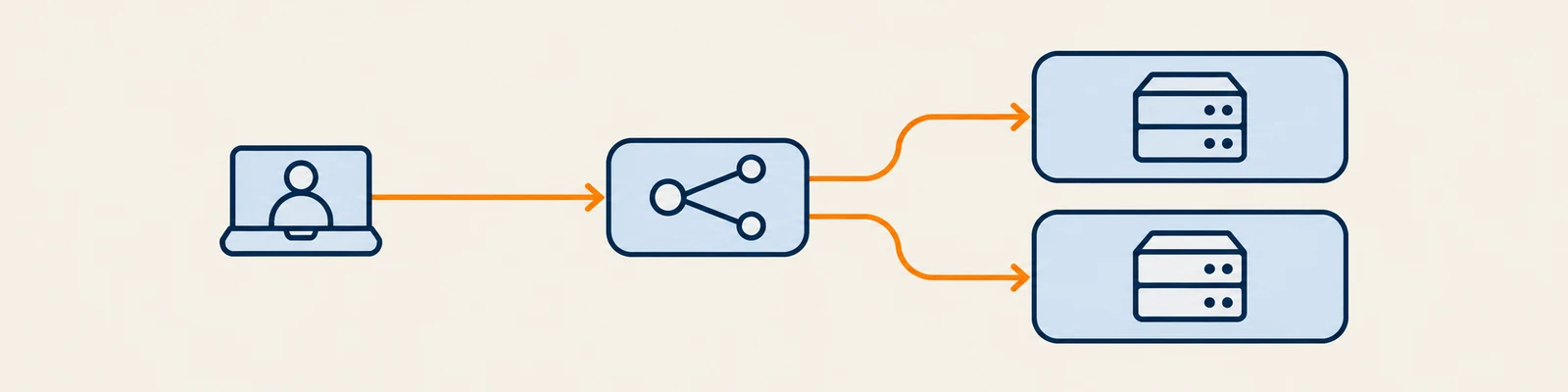
Trace a request from ingress to a private dependency. Identify where to terminate TLS, which routes exist and which identity is allowed to perform each operation.
Make a first decision from the facts given, then compare your reasoning with the worked answer.
Continue with a sample lessonA service normally handles 720 requests per second across three zones. Its busiest period adds 20% demand. Estimate the steady capacity each surviving zone needs if any one zone becomes unavailable.
Peak demand is 864 requests per second. Two surviving zones must each sustain 432 requests per second with even distribution. A design that provisions 288 per zone covers the peak while all three are healthy and falls short after a fault. Test the database and ingress limits separately.
You should be able to follow a request through a web service, read a network diagram and explain the purpose of a relational database. Experience with one cloud provider helps when comparing service options.
Choose Cloud Architecture for decisions that span the whole system. Choose Kubernetes Operations when the system design is already in place and you want to work on how its workloads run and recover.
Compare all programmes6 modules with an estimated 45 hours of self-paced study. The optional qualification is assessed through architecture case and oral defence.